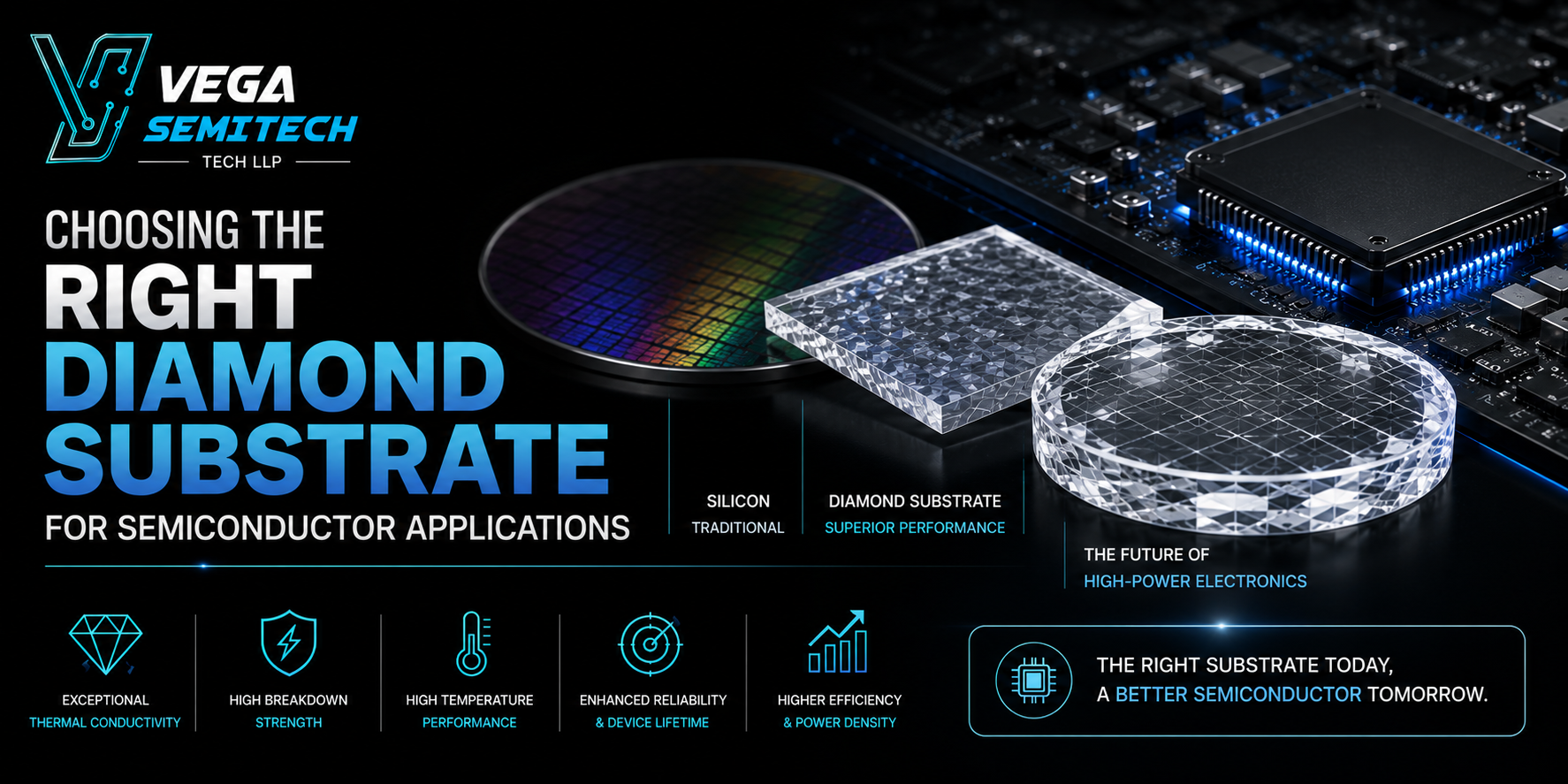
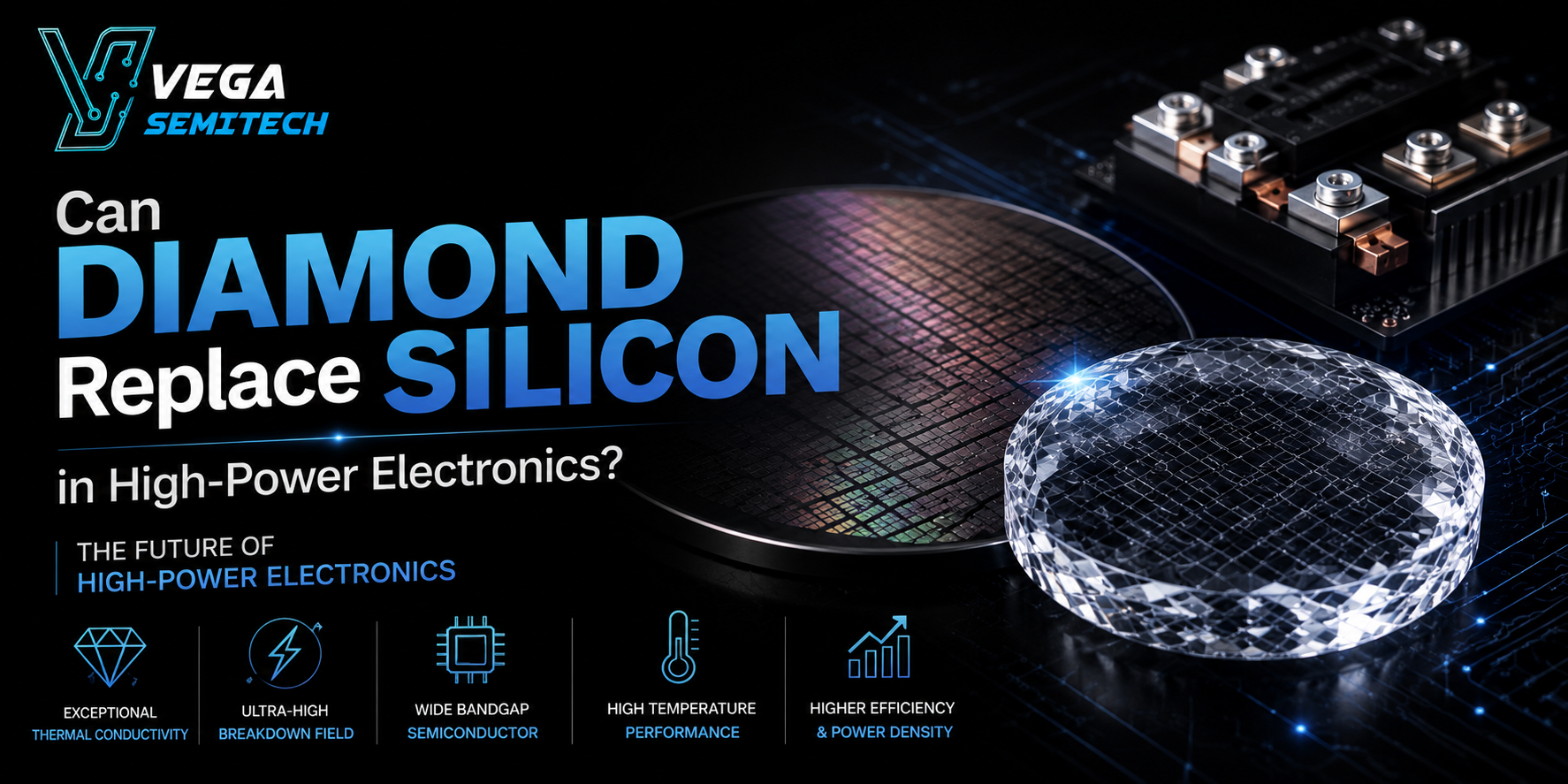
The semiconductor industry is continuously evolving to meet the growing demand for faster, smaller, and more powerful electronic devices. From artificial intelligence (AI) processors and electric vehicles (EVs) to 5G communication systems and data centers, modern semiconductor chips are expected to deliver exceptional performance while operating under increasingly demanding conditions. However, higher processing power also means greater heat generation, making thermal management one of the biggest challenges in semiconductor design.
If heat is not removed efficiently, semiconductor devices can experience reduced performance, shorter operational life, increased energy consumption, and even permanent damage. This has led manufacturers to explore advanced materials capable of delivering superior heat dissipation. Among these materials, Chemical Vapor Deposition (CVD) diamond has emerged as one of the most effective solutions. Thanks to its exceptional thermal conductivity, outstanding durability, and excellent material properties, CVD diamond is helping redefine cooling solutions for next-generation semiconductor devices.
Understanding the Importance of Semiconductor Cooling
Every semiconductor device generates heat while processing electrical signals. As transistor density continues to increase and chips become more compact, the amount of heat produced within a smaller area also rises significantly. Without proper cooling, excessive temperatures can affect the electrical characteristics of semiconductor materials and reduce system stability.
Effective cooling not only improves device performance but also increases reliability, minimizes thermal stress, and extends product lifespan. This is why advanced thermal management has become a critical consideration across industries that rely on high-performance electronics.
Challenges of Conventional Cooling Materials
Traditional cooling materials such as aluminum, copper, ceramics, and silicon have been widely used for many years. While these materials offer good thermal performance, they are reaching their practical limits as semiconductor technology advances.
- Limited thermal conductivity for ultra-high-power devices.
- Formation of localized hot spots within semiconductor packages.
- Reduced efficiency during continuous high-load operation.
- Increased cooling system complexity and maintenance costs.
These limitations have encouraged researchers and manufacturers to adopt advanced materials such as CVD diamond that provide significantly better thermal performance.
Why CVD Diamond is an Ideal Cooling Material
CVD diamond is a synthetic diamond produced through a controlled Chemical Vapor Deposition process. Unlike natural diamonds, CVD diamonds can be manufactured with consistent quality, customized dimensions, and properties optimized for industrial applications.
Its thermal conductivity typically ranges from 1,800 to 2,200 W/m·K, making it one of the highest-performing thermal management materials available today. This allows heat to move away from semiconductor components much faster than conventional engineering materials.
How CVD Diamond Improves Semiconductor Cooling
Rapid Heat Dissipation
The outstanding thermal conductivity of CVD diamond enables heat generated inside semiconductor chips to spread quickly across the material and away from sensitive components. This prevents excessive temperature buildup and ensures stable operating conditions even during continuous high-power operation.
Reduction of Hot Spots
Localized hot spots are one of the leading causes of semiconductor degradation. CVD diamond distributes heat uniformly across the surface, minimizing temperature variations and protecting delicate electronic circuits from thermal damage.
Enhanced Device Reliability
Lower operating temperatures reduce thermal expansion and mechanical stress within semiconductor packages. As a result, components experience fewer failures, improved stability, and longer service life.
Support for Higher Power Density
Modern semiconductor devices continue to become smaller while delivering greater processing power. CVD diamond allows engineers to increase power density without compromising thermal performance, making it an ideal solution for compact electronic systems.
Energy-Efficient Cooling
By naturally transferring heat more efficiently, CVD diamond reduces the dependence on large cooling systems, helping lower energy consumption and improve the overall efficiency of electronic equipment.
Applications of CVD Diamond in Semiconductor Technology
CVD diamond is becoming an important thermal management material across numerous semiconductor applications.
- High-power semiconductor modules.
- AI processors and graphics processing units (GPUs).
- Radio frequency (RF) and microwave devices.
- Laser diodes and photonic components.
- Electric vehicle power electronics.
- Data centers and cloud computing infrastructure.
- Aerospace and defense electronic systems.
- High-frequency communication equipment.
Key Benefits of Using CVD Diamond
- Exceptional thermal conductivity for superior heat management.
- Improved semiconductor performance and efficiency.
- Longer operational lifespan of electronic components.
- Reduced thermal stress and component failure.
- Greater reliability for mission-critical applications.
- Lower maintenance and operating costs.
- Excellent chemical stability and mechanical strength.
Future Trends in Semiconductor Cooling
Emerging technologies such as artificial intelligence, quantum computing, autonomous vehicles, 6G communication, and advanced industrial automation will require semiconductor devices capable of handling significantly higher power levels. As chip architectures continue to evolve, efficient thermal management will become even more critical.
Researchers and manufacturers are increasingly integrating CVD diamond into advanced semiconductor packaging, heat spreaders, and electronic substrates. Its unique combination of thermal performance, durability, and reliability positions it as one of the most promising materials for the future of electronics.
Conclusion
Efficient cooling is essential for maximizing the performance, reliability, and lifespan of modern semiconductor devices. While traditional materials continue to serve many applications, they often struggle to meet the thermal demands of today's high-performance electronics. CVD diamond provides an advanced solution with unmatched thermal conductivity, exceptional durability, and superior heat-spreading capabilities. As industries continue developing more compact and powerful semiconductor technologies, CVD diamond will remain a key material enabling the next generation of electronic innovation.