The semiconductor industry is advancing at an unprecedented pace, driven by the growing demand for faster processors, artificial intelligence (AI), electric vehicles (EVs), 5G communication, and high-performance computing. As semiconductor devices become more compact and powerful, they generate significantly more heat during operation. Managing this heat efficiently has become one of the biggest challenges for manufacturers.
To address these challenges, semiconductor companies are increasingly adopting diamond substrates, particularly those made using Chemical Vapor Deposition (CVD) technology. Known for their exceptional thermal conductivity, mechanical strength, and chemical stability, CVD diamond substrates provide an advanced solution for improving device performance, reliability, and lifespan.
What are Diamond Substrates?
A diamond substrate is a thin plate of synthetic diamond used as a base material for semiconductor devices and electronic components. Unlike natural diamonds used in jewelry, CVD diamond substrates are engineered specifically for industrial applications. They provide an ideal platform for efficiently transferring heat away from sensitive semiconductor chips while maintaining excellent structural stability.
Because CVD diamond can be manufactured with controlled purity, thickness, and dimensions, it has become an increasingly attractive material for advanced electronic packaging and thermal management solutions.
Why Semiconductor Companies are Choosing Diamond Substrates
Superior Thermal Conductivity
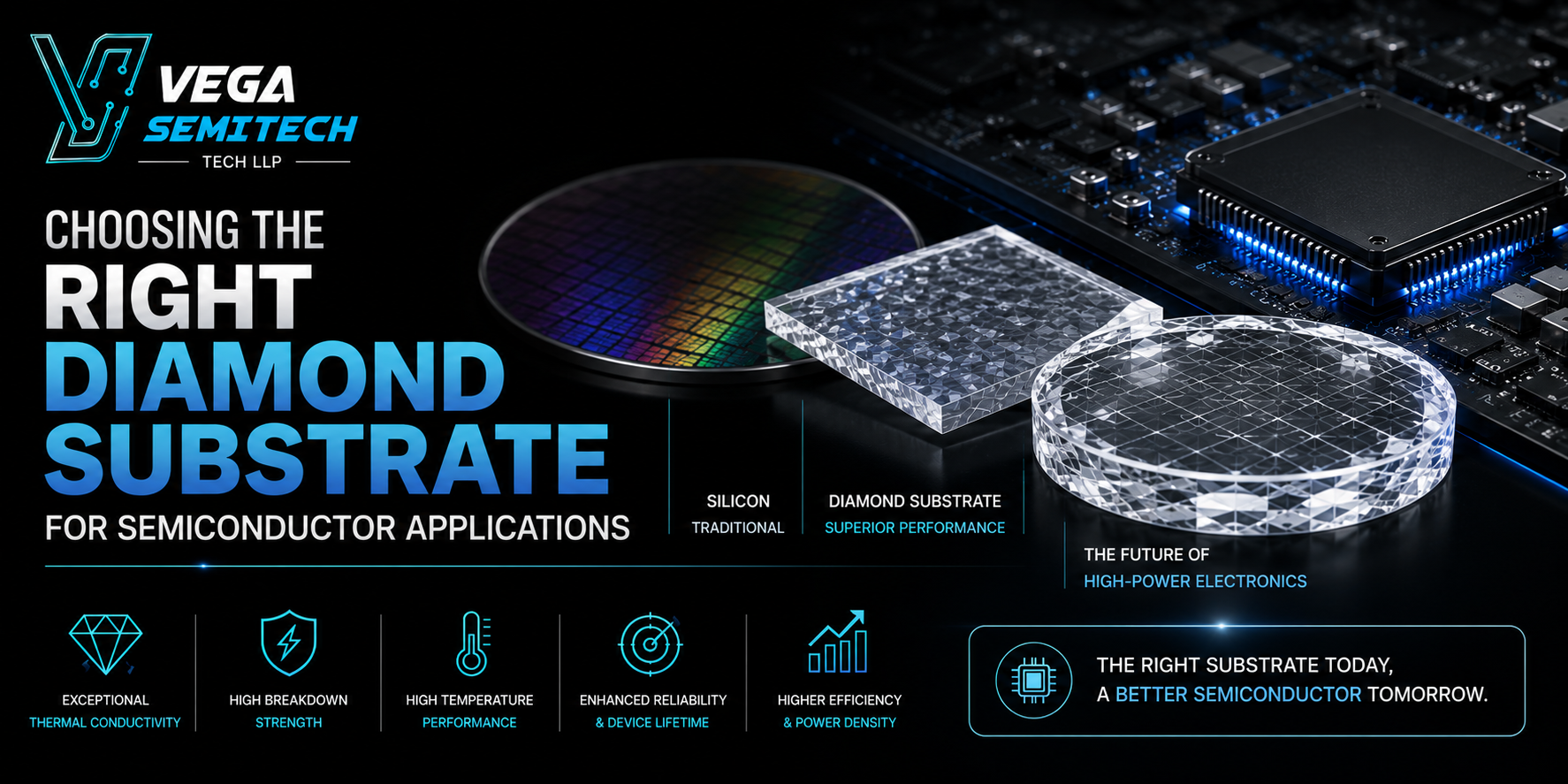
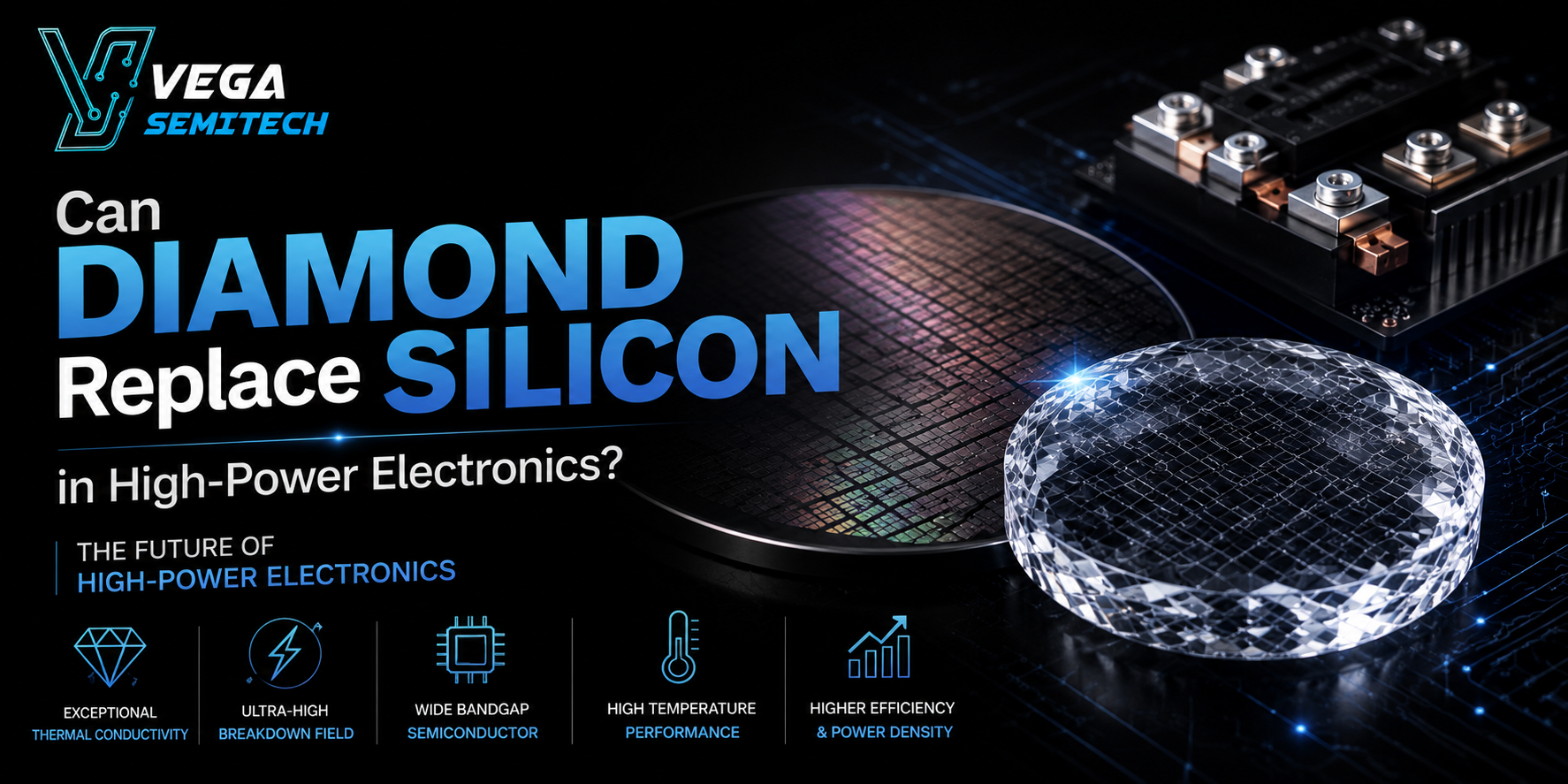
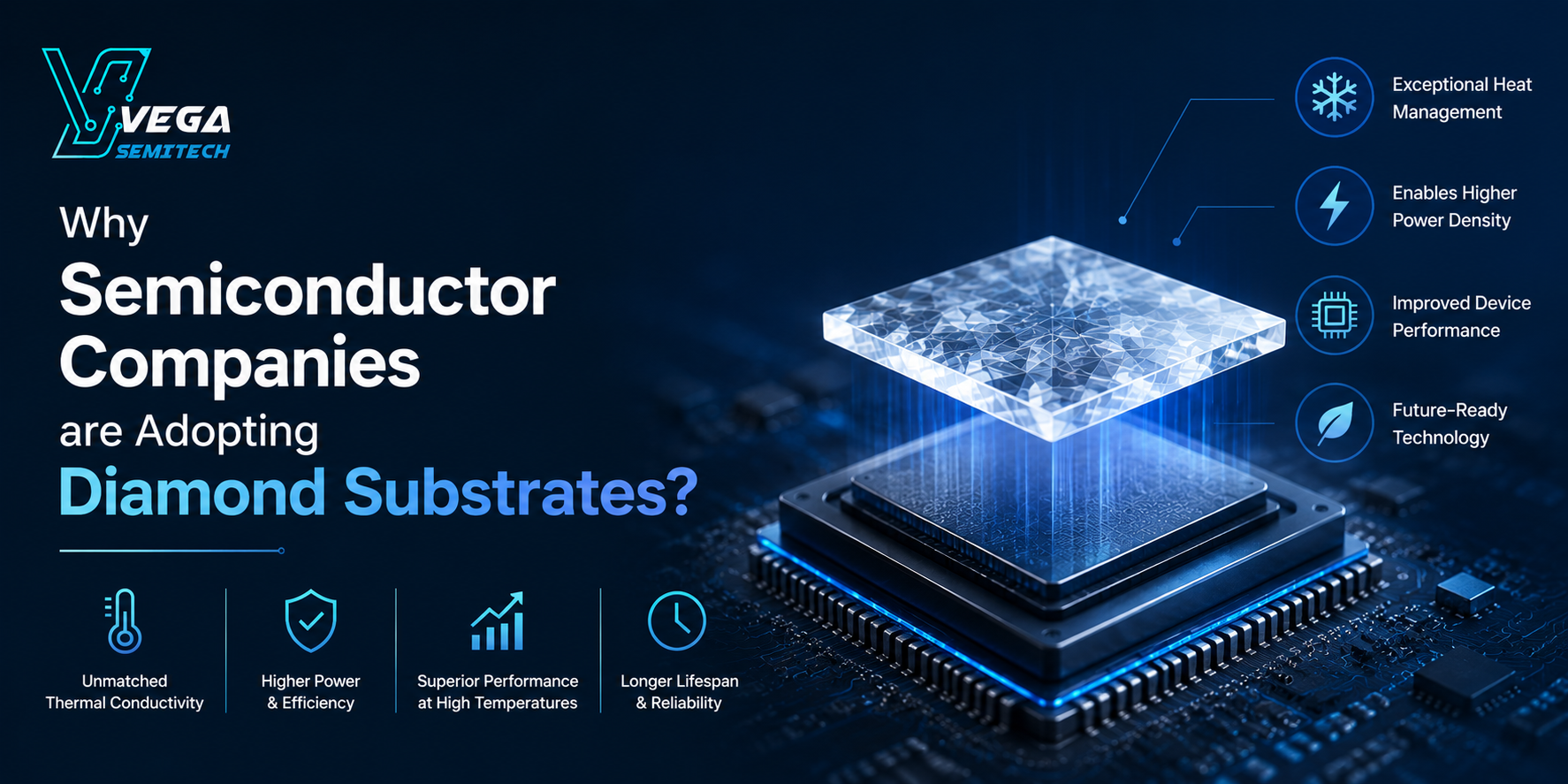
One of the primary reasons for adopting diamond substrates is their outstanding thermal conductivity, typically ranging between 1,800 and 2,200 W/m·K. This is several times higher than traditional materials such as copper, silicon, and aluminum, allowing heat to be removed rapidly from semiconductor devices.
Better Heat Distribution
Diamond substrates distribute heat uniformly across the device, reducing localized hot spots that can negatively impact performance and reliability. Even temperature distribution helps maintain stable operation under continuous high-power workloads.
Support for High-Power Electronics
Modern semiconductor devices continue to increase in power density. Diamond substrates enable these devices to operate efficiently by providing exceptional heat dissipation, making them suitable for demanding applications such as AI processors, RF devices, and power electronics.
Improved Device Reliability
Lower operating temperatures reduce thermal stress within semiconductor packages. This minimizes material fatigue, lowers the risk of failure, and extends the operational life of electronic components.
Compact and Efficient System Design
Because diamond substrates provide highly efficient thermal management, manufacturers can design smaller and more compact semiconductor packages without sacrificing performance. This supports the development of lightweight, high-density electronic systems.
Industries Benefiting from Diamond Substrates
The adoption of CVD diamond substrates is expanding across multiple high-tech industries where reliable thermal management is critical.
- Artificial Intelligence (AI) processors.
- High-performance computing systems.
- Electric vehicle power electronics.
- 5G and RF communication equipment.
- Laser and photonics technologies.
- Aerospace and defense electronics.
- Industrial power modules.
- Advanced medical imaging and diagnostic equipment.
Key Advantages of Diamond Substrates
- Exceptional thermal conductivity for efficient heat removal.
- Improved semiconductor performance and stability.
- Longer component lifespan through reduced thermal stress.
- Support for compact, high-density semiconductor packaging.
- Excellent mechanical strength and durability.
- High chemical resistance for demanding operating environments.
- Lower maintenance requirements and improved system reliability.
Future Outlook
As semiconductor technology continues to evolve, the need for efficient thermal management will become even more important. Emerging applications such as quantum computing, autonomous vehicles, AI accelerators, and next-generation communication networks require materials capable of handling increasing power densities while maintaining stable operating temperatures.
With continuous advancements in CVD diamond manufacturing, diamond substrates are becoming more accessible and practical for commercial semiconductor applications. Their ability to improve performance, reliability, and energy efficiency positions them as a key material for the future of advanced electronics.
Conclusion
Semiconductor companies are adopting diamond substrates because they provide an unmatched combination of thermal conductivity, durability, and reliability. By efficiently dissipating heat and supporting higher power densities, CVD diamond substrates help manufacturers build faster, more compact, and longer-lasting electronic devices. As the demand for high-performance semiconductors continues to grow, diamond substrates are expected to play an increasingly important role in shaping the future of the electronics industry.