Silicon has been the foundation of the semiconductor industry for decades. It has enabled the development of microprocessors, memory devices, power electronics, sensors, and countless other technologies. However, as modern electronics become more powerful and compact, semiconductor manufacturers are facing a growing challenge: heat.
High-power electronics generate significant amounts of heat during operation. If this heat cannot be removed efficiently, it can reduce performance, increase thermal stress, shorten component life, and limit the amount of power that a device can safely handle. This has encouraged researchers and manufacturers to explore advanced semiconductor materials, including diamond.
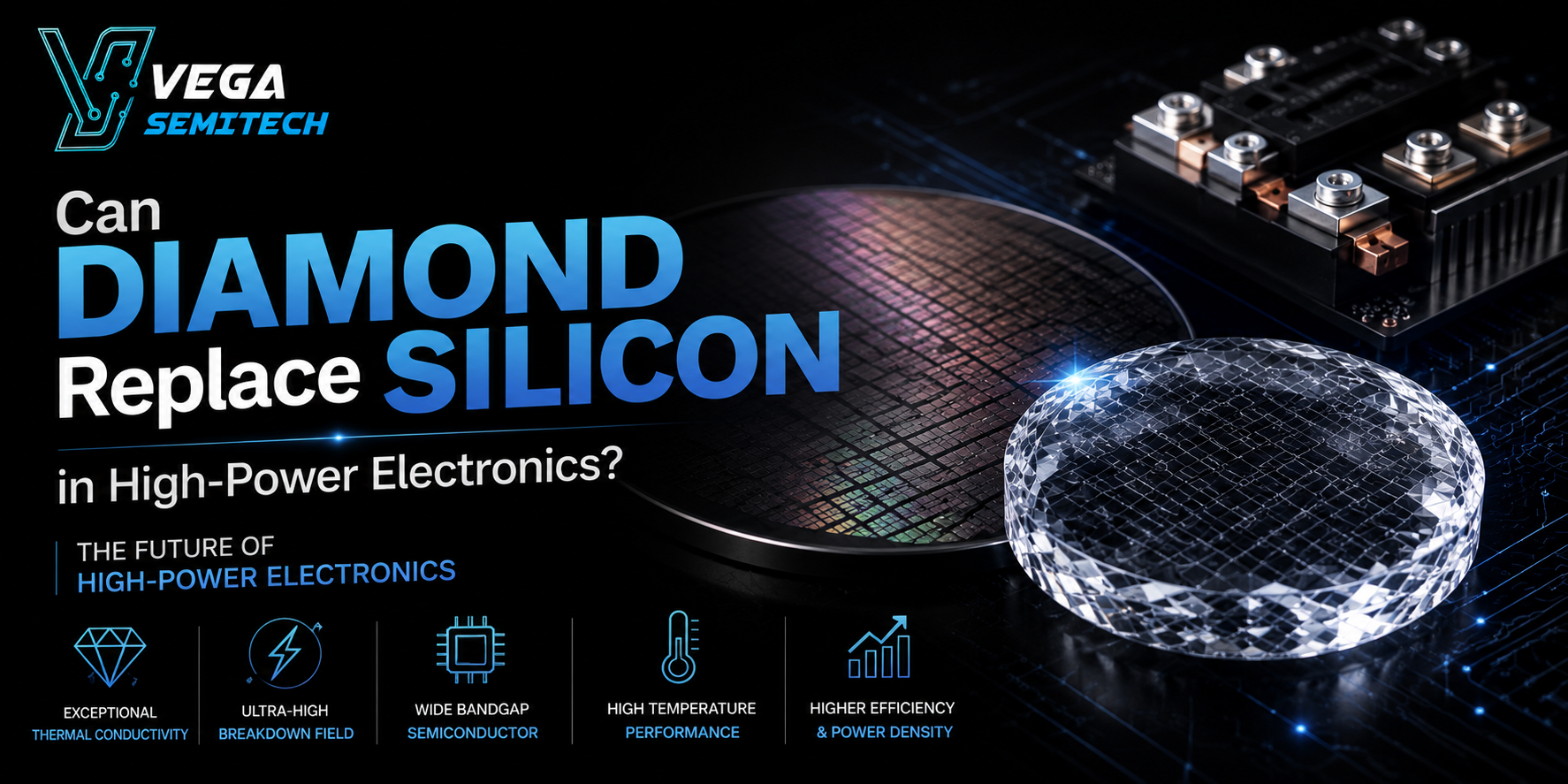
So, can diamond replace silicon in high-power electronics? The answer is not a simple yes or no. Diamond offers exceptional thermal and electrical properties that can outperform silicon in specific demanding applications, but silicon remains highly attractive because of its established manufacturing ecosystem, cost, scalability, and extensive semiconductor processing infrastructure.
Why Silicon Has Dominated Semiconductor Technology
Silicon became the dominant semiconductor material because it provides a strong combination of electrical performance, thermal characteristics, manufacturing maturity, availability, and cost. Decades of investment have created highly optimized processes for producing silicon wafers and manufacturing complex integrated circuits at enormous scale.
Silicon also has a well-established ecosystem of fabrication equipment, materials, design tools, packaging technologies, and manufacturing expertise. This makes replacing silicon across the entire semiconductor industry extremely difficult, even when another material offers superior performance in individual areas.
What Makes Diamond Different?
Diamond has several physical properties that make it particularly interesting for high-power electronics and advanced thermal management. CVD diamond can be manufactured under controlled conditions for industrial applications, allowing manufacturers to produce engineered diamond components with controlled dimensions and material characteristics.
One of its most important properties is thermal conductivity. High-quality CVD diamond can provide thermal conductivity above 1,800 W/m·K, with optimized grades reaching approximately 2,000 W/m·K. This is substantially higher than conventional materials such as copper and makes diamond highly attractive for removing heat from concentrated high-power sources.
Diamond vs Silicon for High-Power Electronics
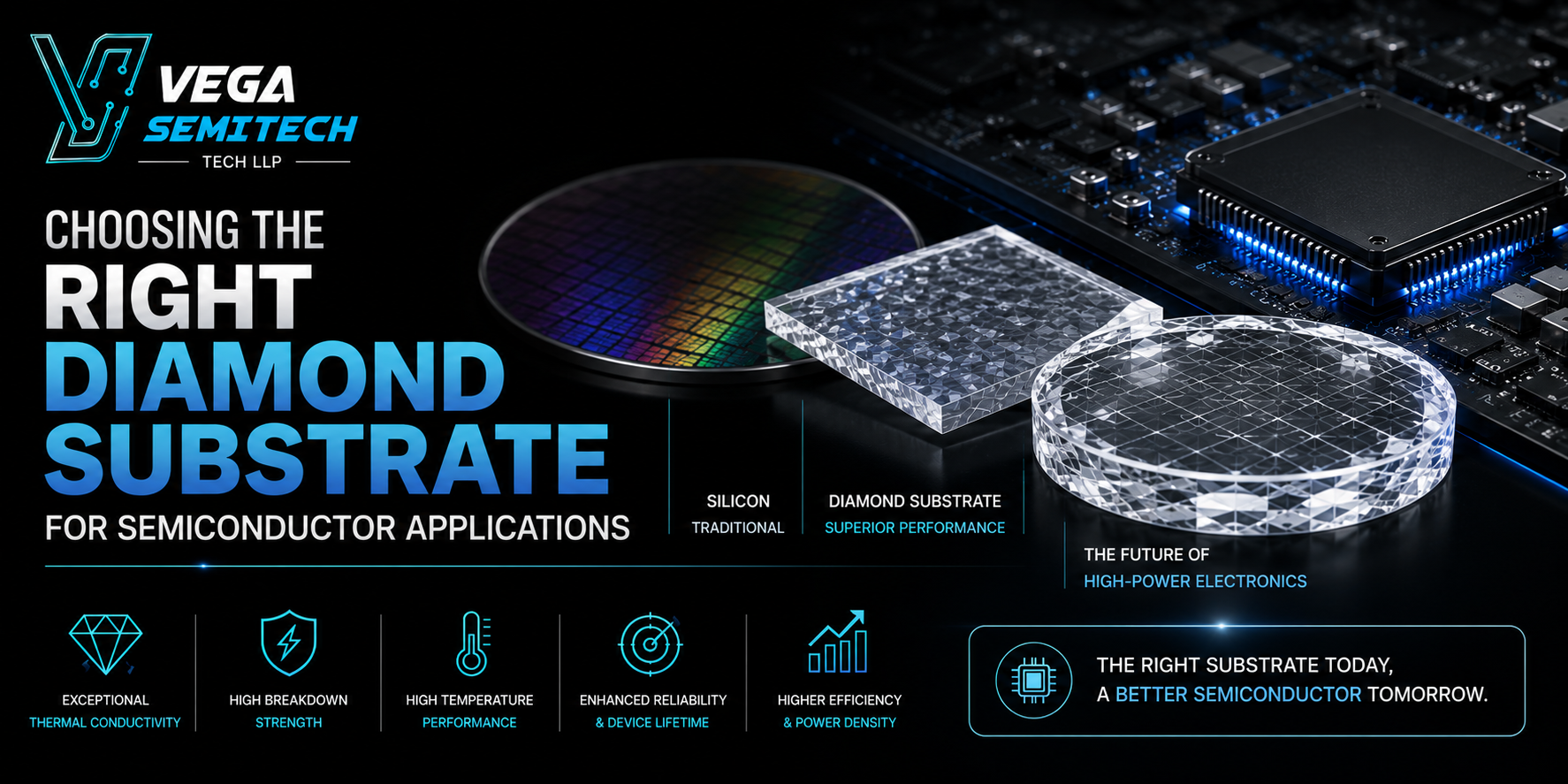
Diamond and silicon have very different strengths. Silicon remains the practical choice for a huge range of semiconductor applications, while diamond becomes particularly interesting when thermal management, high-temperature operation, or extreme power density becomes the primary challenge.
| Property | Silicon | CVD Diamond |
|---|---|---|
| Thermal conductivity | Moderate | Extremely high |
| Heat spreading | Good | Excellent |
| Mechanical hardness | Relatively low | Extremely high |
| Manufacturing ecosystem | Highly mature | Developing |
| Large-scale semiconductor manufacturing | Widely established | More specialized |
| Thermal management potential | Good | Exceptional |
How Diamond Can Improve High-Power Electronics
Exceptional Heat Dissipation
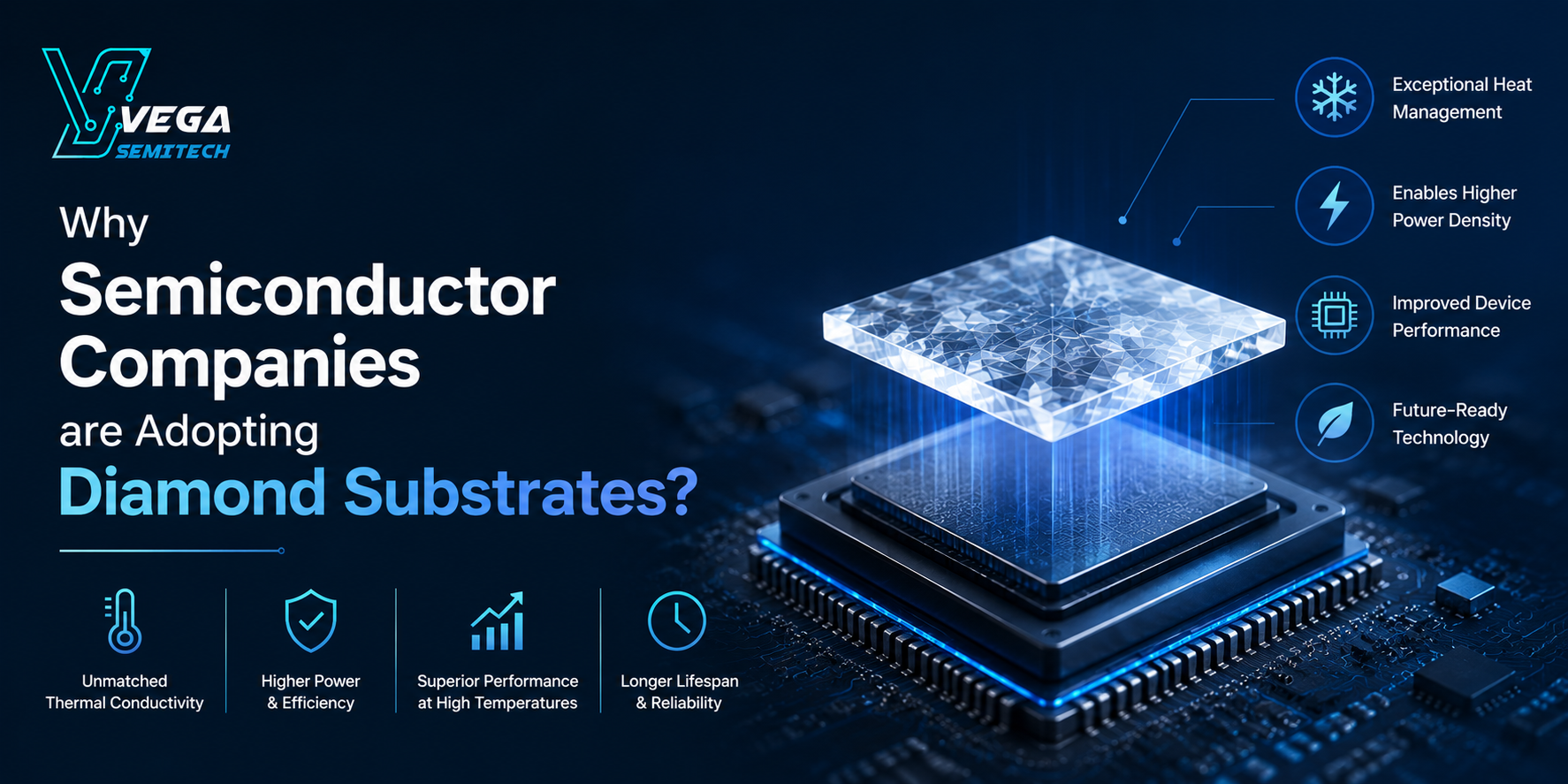
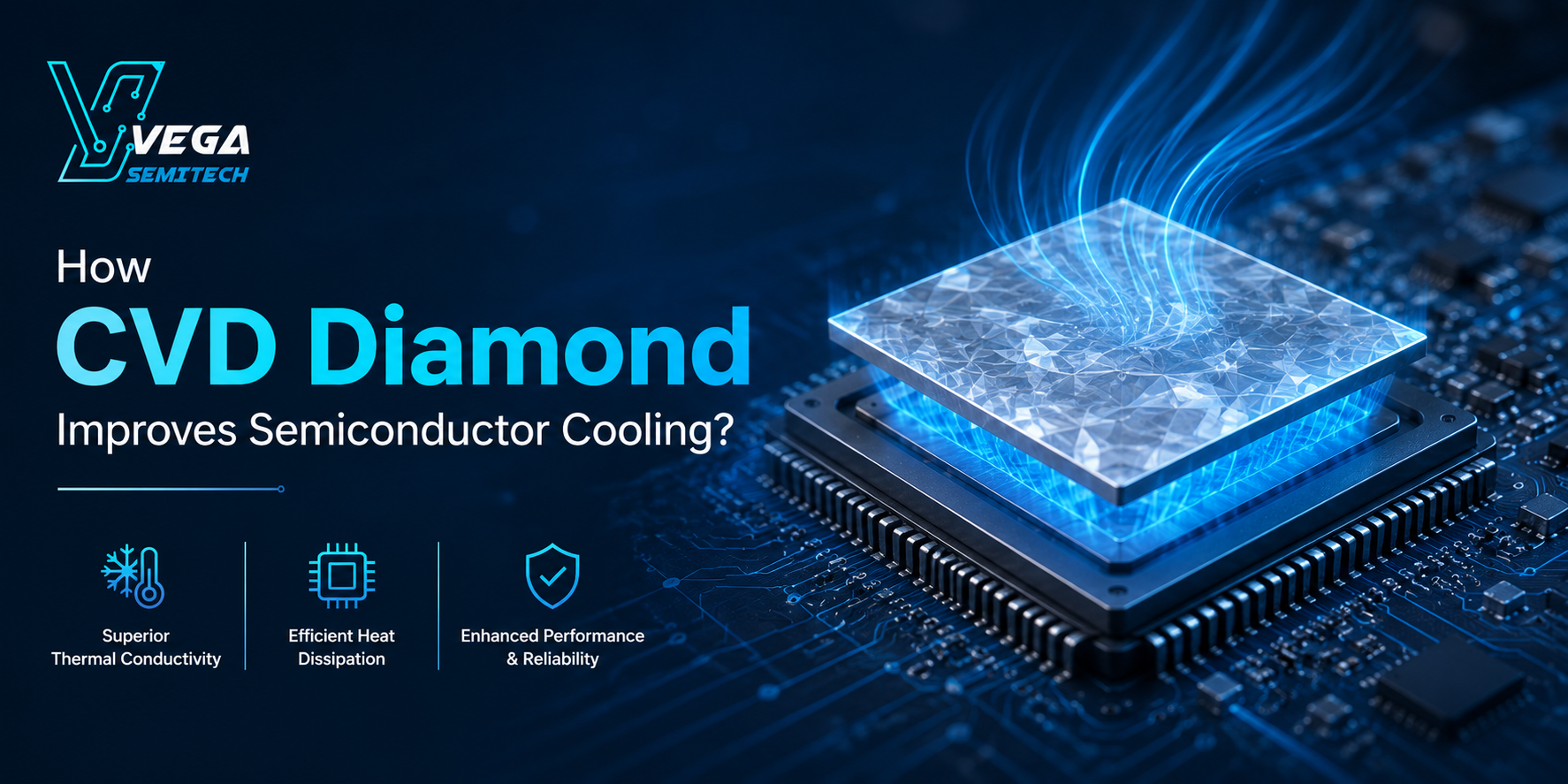
The most significant advantage of diamond is its ability to transfer heat extremely efficiently. In high-power electronic devices, heat can become concentrated around small active regions. A diamond heat spreader or diamond substrate can rapidly move this heat away from the source and distribute it across a larger area.
Reduction of Hot Spots
Localized hot spots can create thermal stress and negatively affect semiconductor performance. Because of its high thermal conductivity, diamond can spread heat more effectively and help reduce severe temperature gradients within an electronic package.
Higher Power Density
As semiconductor devices become smaller while their power output increases, power density becomes increasingly important. Advanced diamond thermal-management solutions can help engineers manage higher heat fluxes without requiring proportionally larger cooling systems.
Improved Reliability
Thermal cycling and excessive operating temperatures can contribute to degradation in electronic packages. By improving heat removal, diamond-based thermal solutions can help reduce thermal stress and support more stable long-term operation.
Where Diamond Could Complement Silicon
Rather than completely replacing silicon, one of the most realistic opportunities is to use diamond together with conventional semiconductor materials. In this approach, silicon or another semiconductor remains responsible for the electronic switching and processing functions, while diamond is introduced to improve thermal performance.
This can include diamond heat spreaders, diamond submounts, thermal interfaces, and specialized substrate structures. CVD diamond is already used in thermal-management applications such as high-power integrated circuits and laser diodes.
Potential Applications of Diamond in High-Power Electronics
- High-power semiconductor devices.
- RF and microwave power amplifiers.
- High-power laser systems.
- Power electronics and advanced power modules.
- Electric vehicle power systems.
- High-performance computing and AI hardware.
- Aerospace and defense electronics.
- Advanced telecommunications equipment.
Can Diamond Replace Silicon Completely?
A complete replacement of silicon is unlikely in the near term. Silicon has a major advantage in terms of manufacturing maturity, cost, availability, processing infrastructure, and integration with existing semiconductor technologies.
Diamond also presents manufacturing and integration challenges. Producing high-quality diamond with consistent properties, creating suitable interfaces with other semiconductor materials, processing the extremely hard material, and controlling thermal stresses between different materials can all add complexity to device manufacturing.
Another important consideration is that high thermal conductivity alone does not make a material a universal semiconductor replacement. A practical semiconductor material must also meet electrical, processing, packaging, integration, and economic requirements for the specific application.
Diamond as a Thermal Partner for Silicon
The more realistic future may therefore involve diamond and silicon working together. Silicon can continue providing the established semiconductor platform, while CVD diamond handles the thermal challenge.
This approach can be especially valuable in applications where heat generation is concentrated and conventional cooling materials are reaching their limits. Diamond heat spreaders can be integrated into packages to move heat away from the active device and toward the cooling system. Commercial CVD diamond heat spreaders are available in thin formats and can be metallized to support electronic assembly and thermal interfaces.
Why CVD Diamond is Particularly Attractive
CVD technology allows diamond to be produced specifically for industrial and technological applications rather than relying on naturally occurring stones. Manufacturers can produce diamond components in controlled forms and tailor them for applications such as thermal management, optical systems, and advanced electronic components.
In addition to high thermal conductivity, diamond offers exceptional hardness, chemical resistance, and a very low thermal expansion coefficient. These characteristics can be valuable in environments where mechanical stability and thermal reliability are equally important.
The Future of Diamond in Semiconductor Technology
The demand for advanced thermal management is expected to increase as AI processors, electric vehicles, high-frequency communication systems, data centers, and other high-performance technologies continue to develop. More computing power in smaller packages means that engineers must find increasingly effective ways to remove heat.
Diamond is therefore likely to become increasingly important as a specialized material for thermal management, high-power electronics, and potentially future diamond-based semiconductor devices. The greatest near-term opportunity may not be replacing silicon entirely, but combining the strengths of both materials to create more efficient and reliable electronic systems.
Conclusion
So, can diamond replace silicon in high-power electronics? Not completely, but it can outperform silicon in critical thermal-management applications. Silicon remains the dominant semiconductor platform because of its mature manufacturing ecosystem and broad applicability. Diamond, however, offers exceptional thermal conductivity and other unique properties that make it highly attractive for managing heat in increasingly powerful electronic devices.
The future of high-power electronics may therefore be less about choosing between silicon and diamond and more about using each material where it performs best. With CVD diamond serving as a high-performance thermal material alongside established semiconductor technologies, manufacturers can potentially develop smaller, more powerful, and more reliable electronic systems.